BEHIND THE SCENES: 3D PRINTING IN A GAME STUDIO
15 October 2025

From ideas to reality: the role of 3D printing in our studio.
3D printing opens new creative possibilities, transforming digital ideas into real objects. Turning a digital idea into the physical world requires precision, careful methods, and specialized expertise to achieve functional results. At Commodore Industries, 3D printing is not just technical support, but a central and creative element of the design process. Today we take you behind the scenes at our game studio, showing how ideas become tangible, concrete creations.
From the idea to the digital model.
The creative process begins with concept and digital modeling, developed by the team using professional software like Blender or ZBrush. Once finished, the team exports the model in standard formats like .fbx or .stl, preparing it for the next processing stage. The team then imports the model into Chitubox, a software that optimizes every parameter needed for 3D printing. This phase guarantees that every detail of the original design is preserved and accurately transformed into a tangible prototype.
Materials and printing processes.
The choice of materials defines the quality and precision of the final model. In our studio, we use both filament and resin printing: filament allows for quick and functional prototypes. Resin, although it requires additional steps such as wash and cure, ensures a higher level of detail. Thanks to our team’s experience, both technologies are handled efficiently and reliably, producing models that faithfully reflect the original design.
From prototype to real experience.
Once printing is complete, the model enters the post-production phase, which includes washing, support removal, finishing, and coloring. In this phase, the prototype fully assumes its role, ready for internal presentations, discussions with partners, or practical use.
In conclusion
The conclusion of the process is not just a technical milestone, but a moment when the idea demonstrates its strength. Through post-production, the model becomes a tangible prototype, effectively communicating the design choices visually and through touch. Here, the digital meets the real, turning a concept into a tool for strategic decisions, presentations, and development. If you enjoyed the article, follow us to discover new insights and stay updated on our upcoming projects.
you might also be interested
14 January 2026
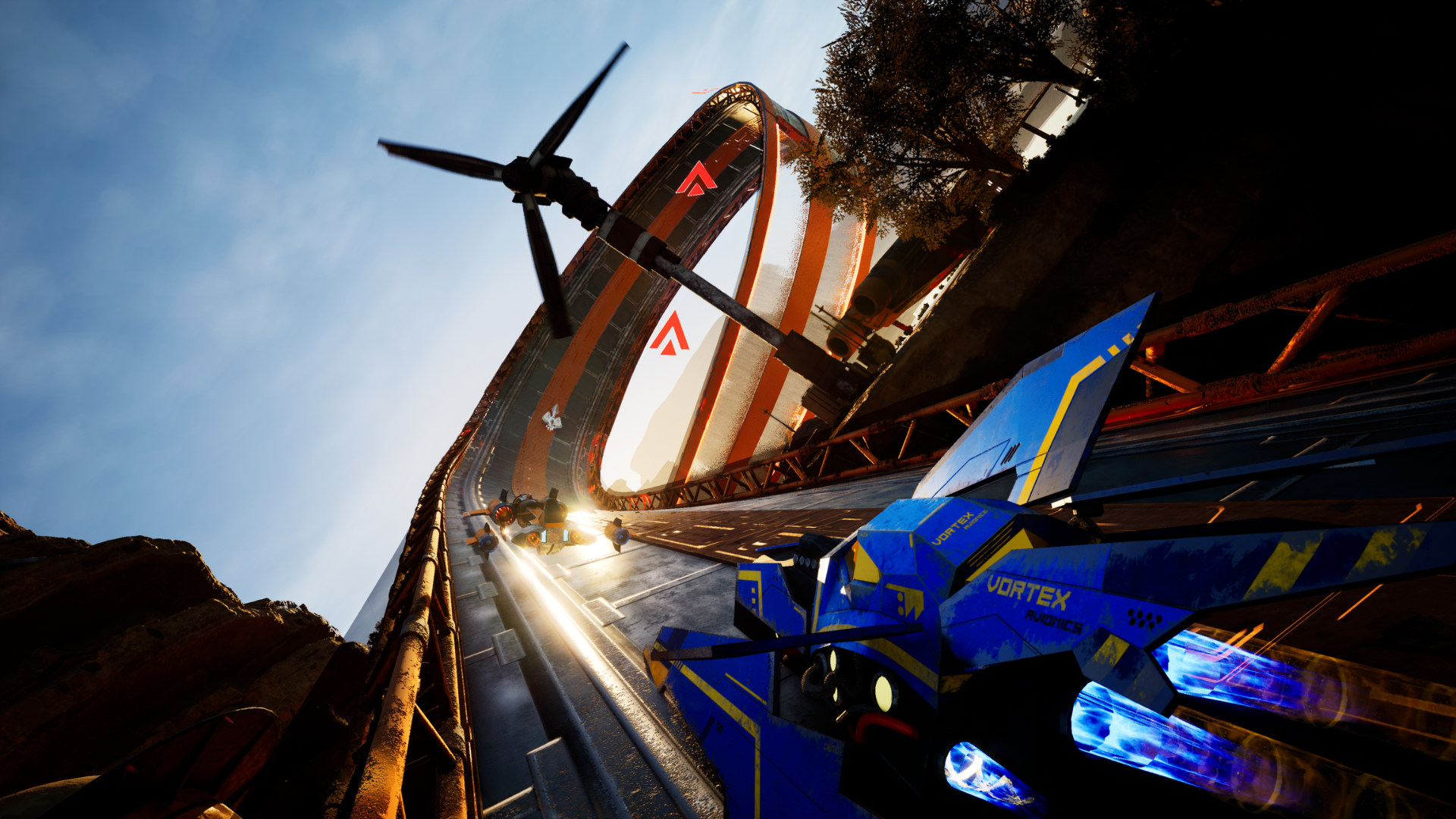
The four wonderful worlds of Millennium Runners
A Journey Through the Worlds of the Millennium Cup Millennium Runners, the anti-gravity racing title…
The four wonderful worlds of Millennium Runners read more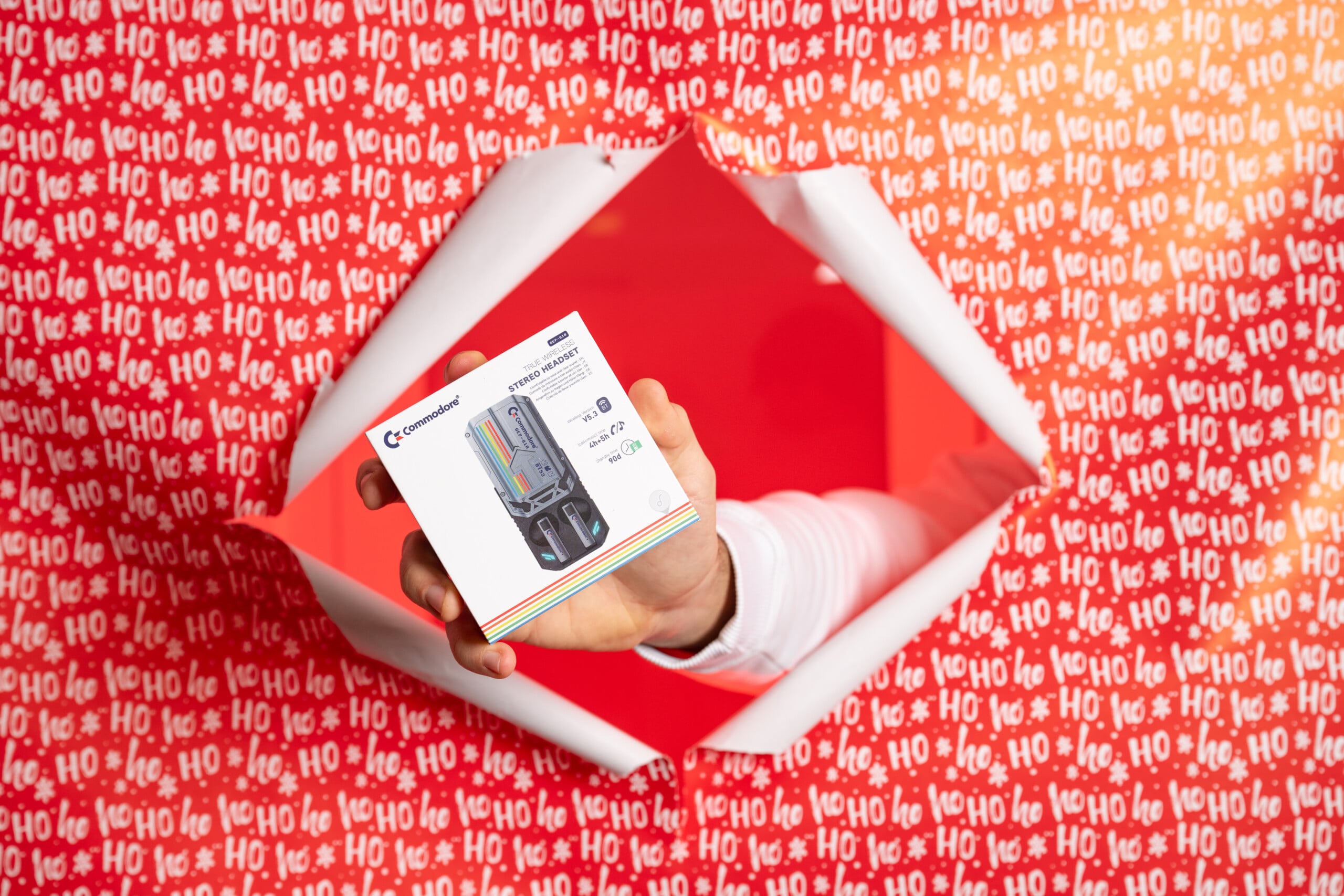
24 December 2025
Commodore Industries’ Most Amazing Highlights
Special Wishes from Commodore Industries Commodore Industries believes that the holiday season is a perfect…
Commodore Industries’ Most Amazing Highlights read more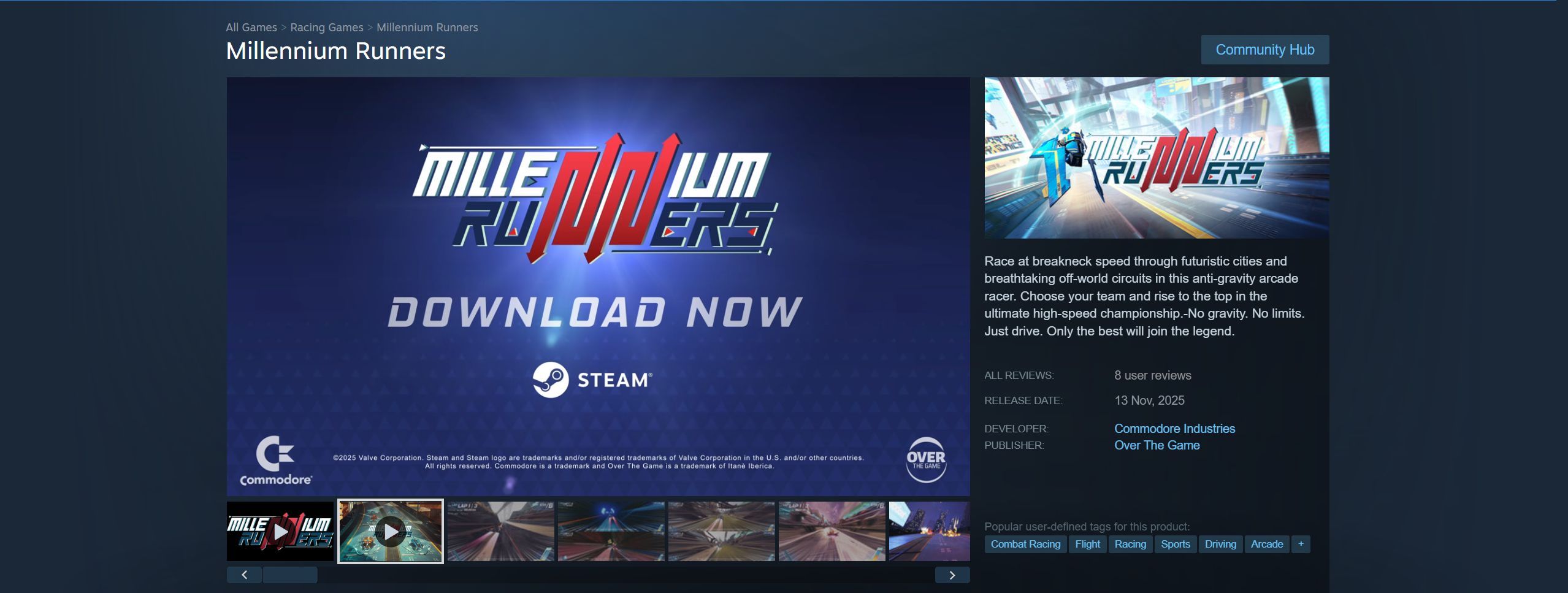
22 December 2025
New Winter Sale - Millennium Runners
We are thrilled to announce that our anti-gravity racing video game, Millennium Runners, is now…
New Winter Sale - Millennium Runners read more
12 December 2025
New model of Innovation & Inclusion: ANFFAS
Advanced innovation drives ANFFAS, which believes that training and digital services are essential to provide…
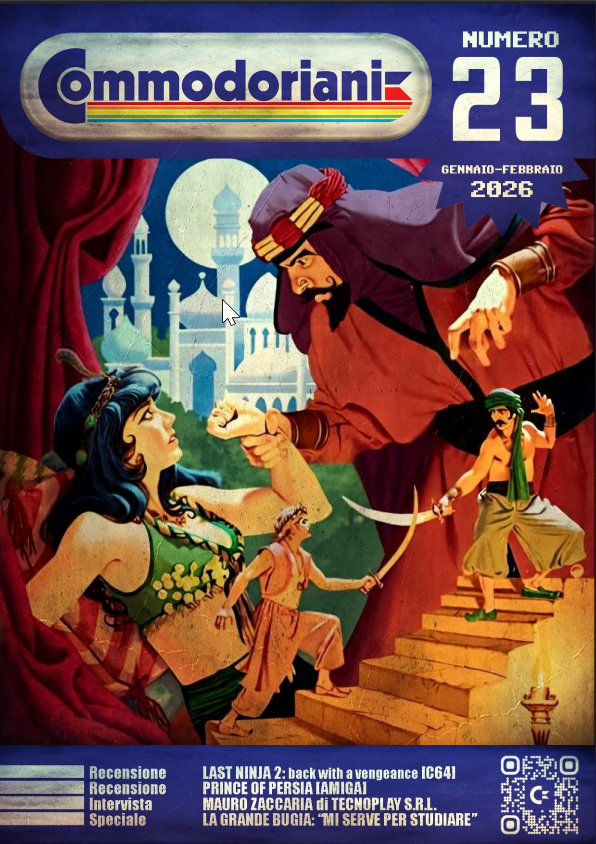
New model of Innovation & Inclusion: ANFFAS read moreCommodore is thrilled to launch a new editorial initiative dedicated to the community of users and enthusiasts of the big C computers, whether historical or modern.
Commodoriani 23 read more